
Menu
Samantha
March 23, 2026
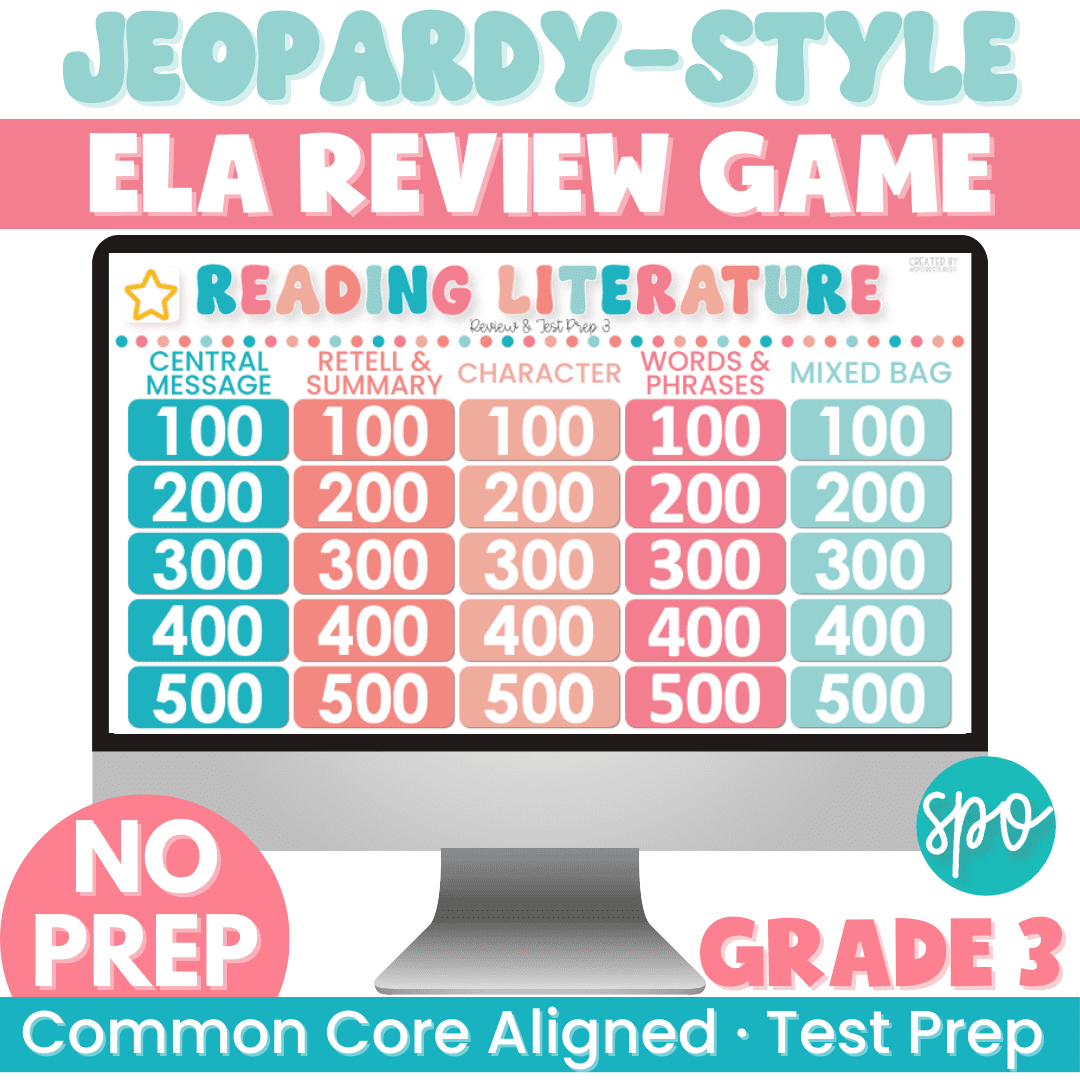
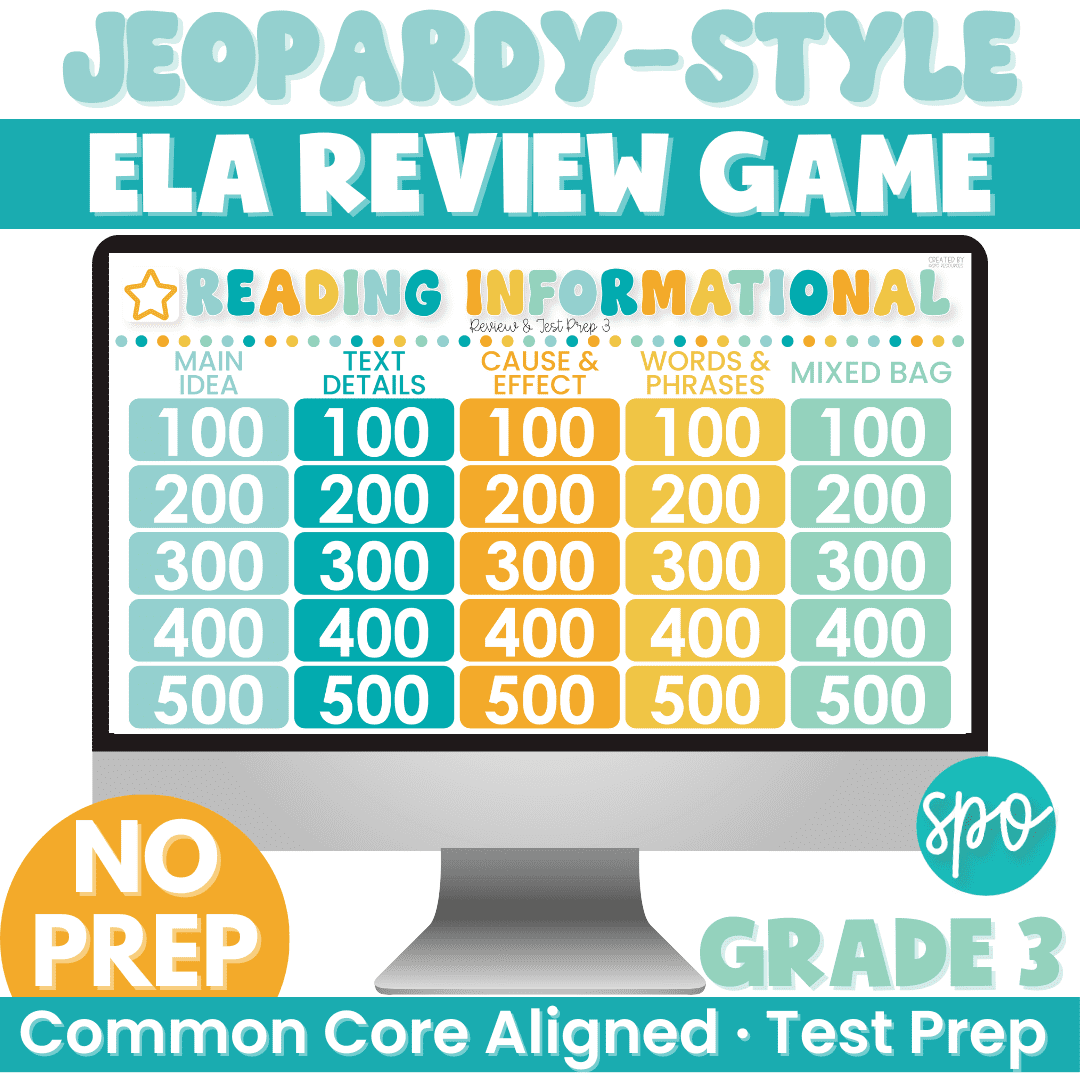
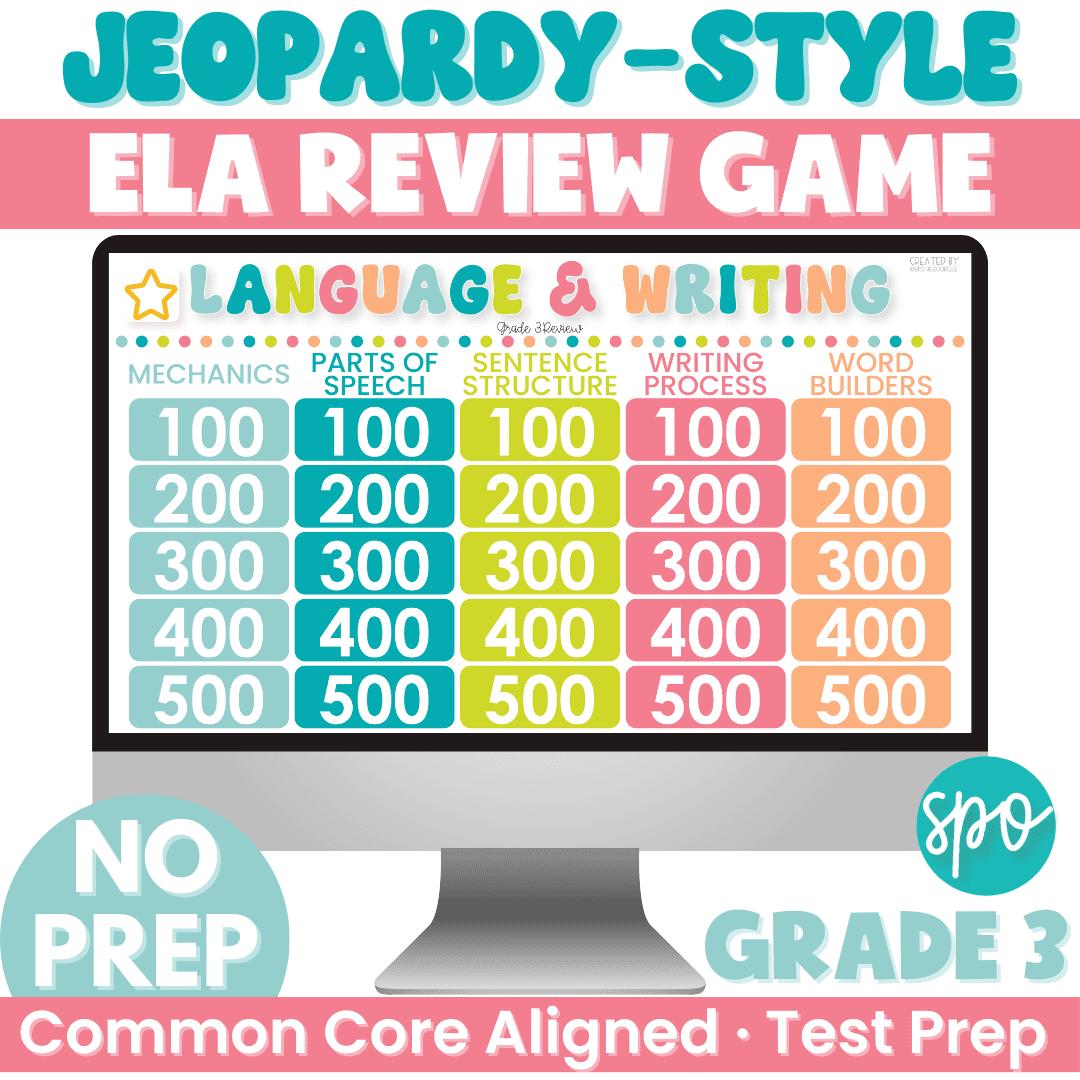
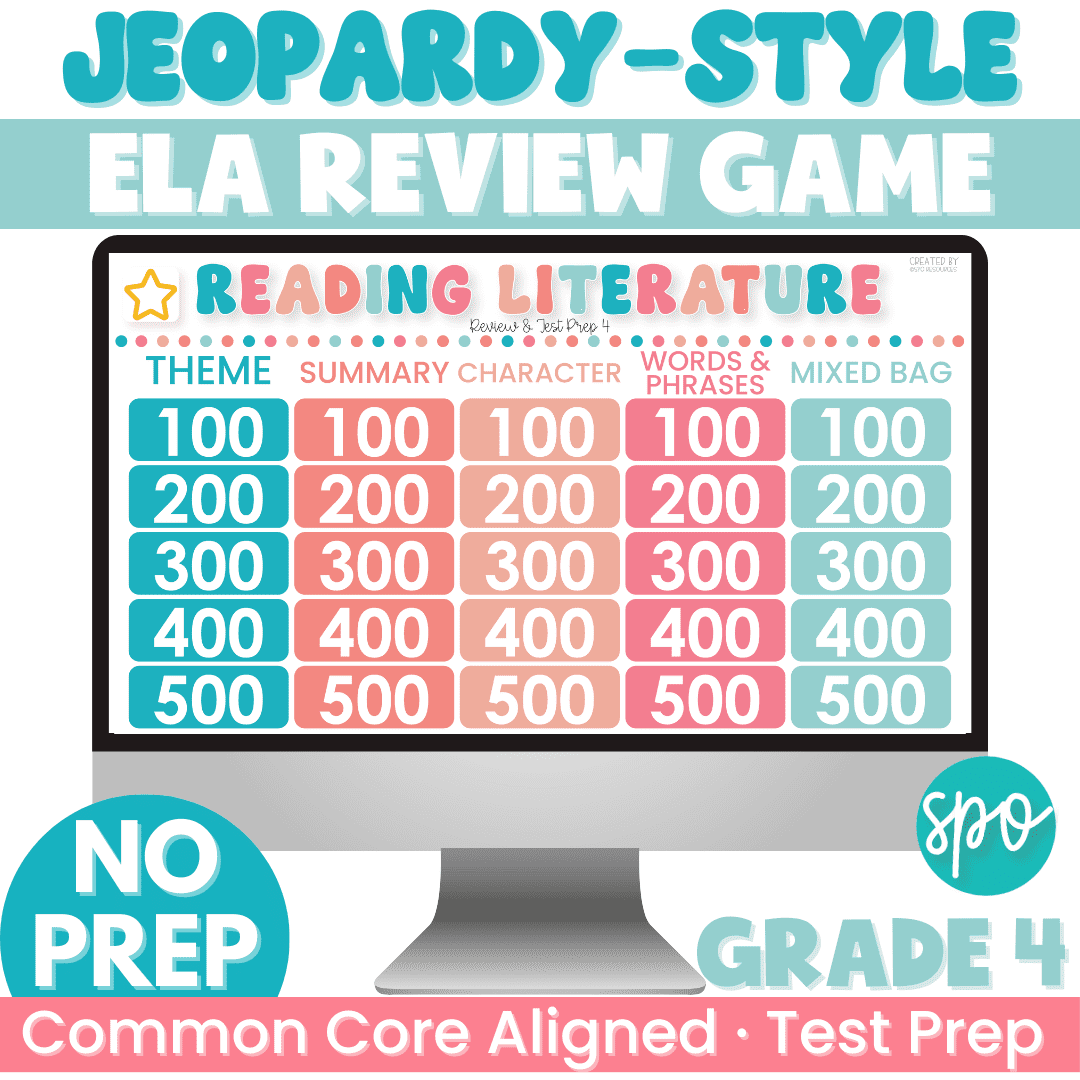
Say goodbye to boring worksheets. This fun, standards-aligned ELA test prep game brings teamwork, text evidence, and excitement back to review.
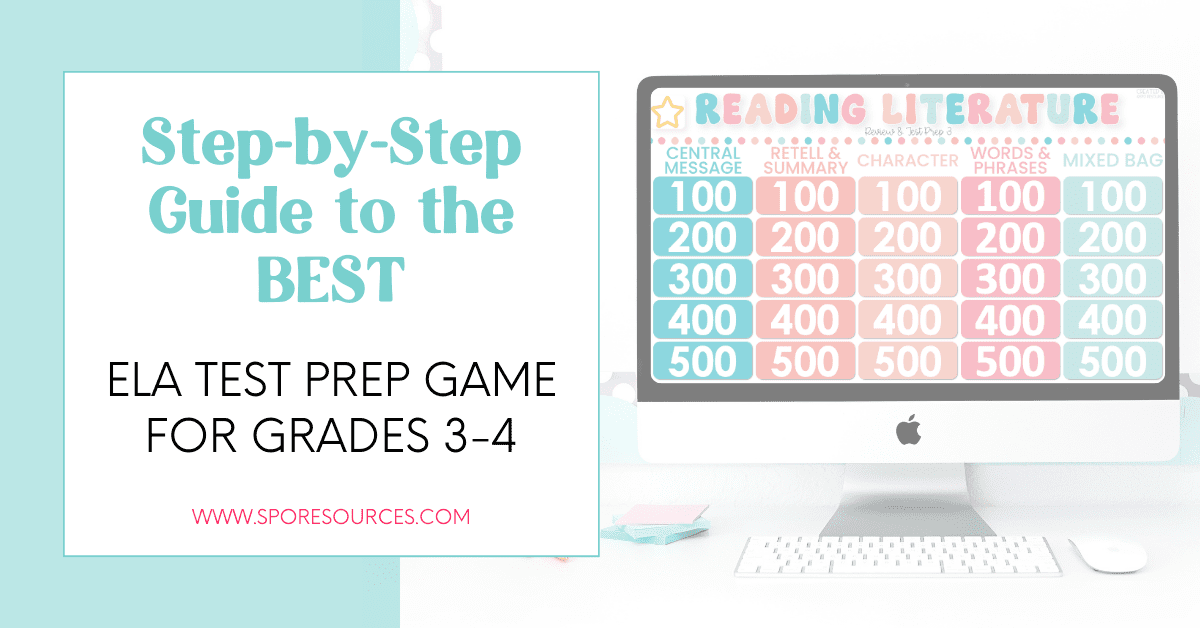
Spring testing season is here — and if you’re looking for an ELA test prep game your students will actually want to play, you’re in the right place.
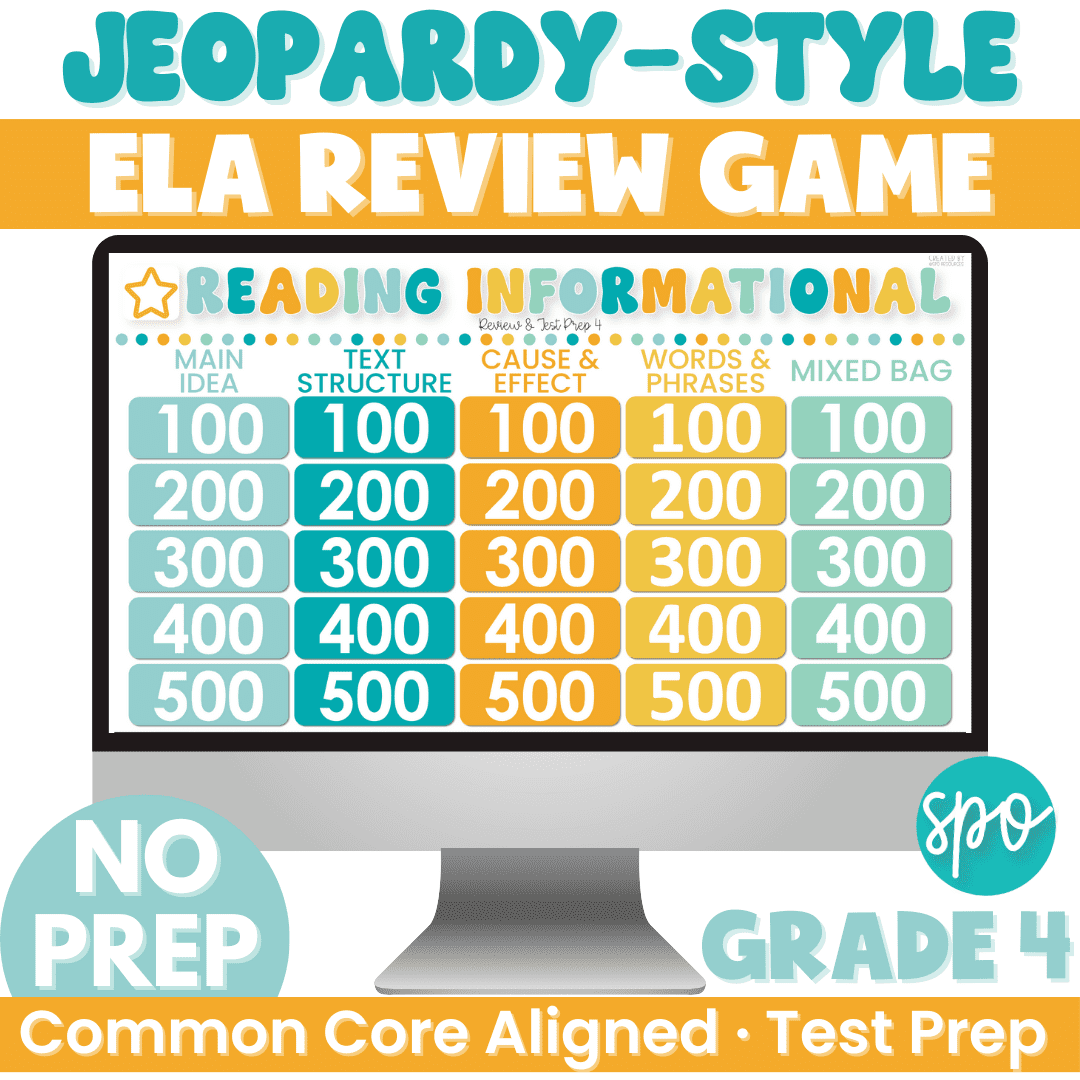
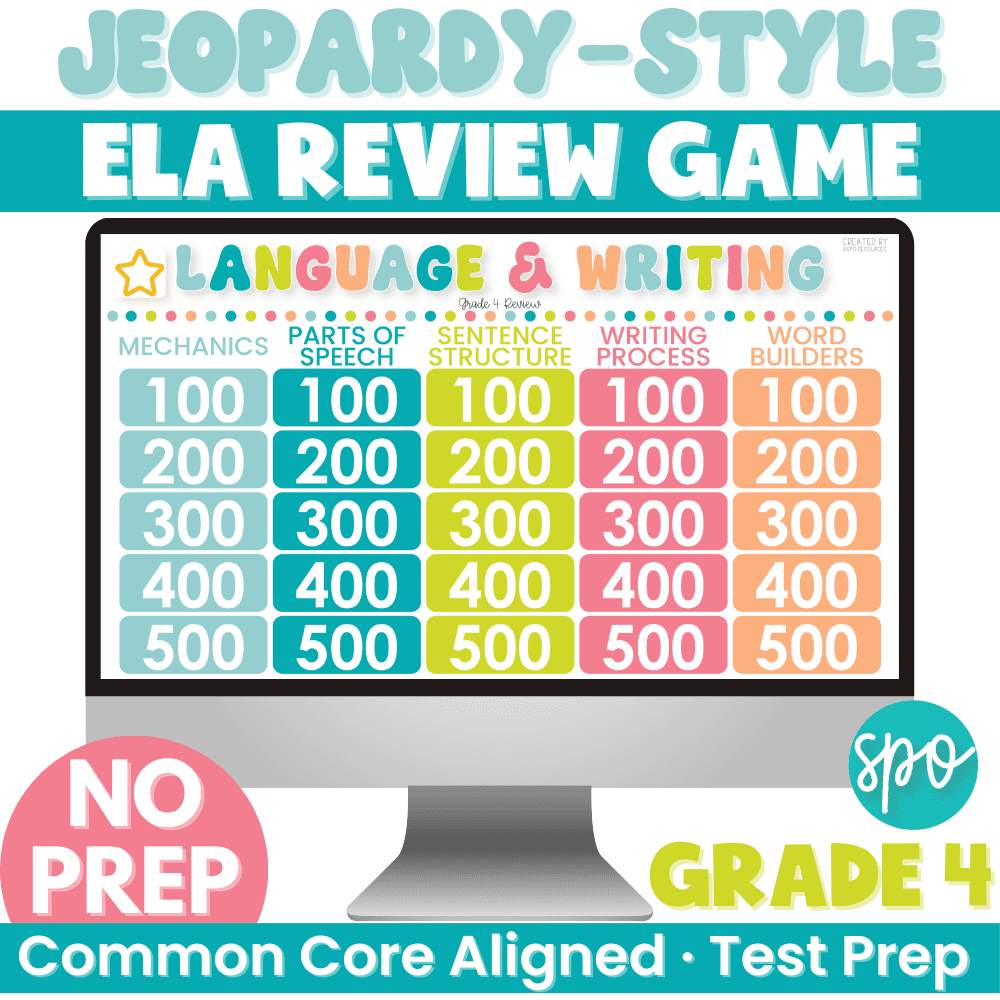
This Jeopardy-style review turns reading, writing, and language practice into a team-based game that gets everyone talking, thinking, and having fun — without losing academic rigor. Whether you teach 3rd or 4th grade, this is your go-to for making ELA test prep less stressful and way more engaging.
Let me walk you through exactly how I use it, what makes it so effective, and how to set it up in minutes.
As a former 4th grade teacher, I’ve lived the test prep struggle. You’re juggling standards, burned-out students, and the pressure to make sure they’re ready — without boring them to tears.
That’s why I made this.
This ELA test prep game flips the script. Students read real texts, answer test-style questions, and work together to justify their thinking. It feels like a game — but they’re still doing the deep work.
💛 P.S. There’s a free version! Grab the free ELA Mini Game designed for 3rd and 4th grade before we dive in — it’s a great low-pressure way to see how your students respond to the format.
Grab it here → Free ELA Mini Game
Teachers have used this game to prep for state tests across the country — including the MSTEP, Georgia Milestones, EOG, CMAS, ILEARN, FAST, and more. If your spring testing window is coming up, this is a low-stress, high-engagement way to make review feel less like a grind.
You’ll get step-by-step instructions inside the game, but here’s how I’ve played it with my students — what worked best and what I’d recommend to make each ELA test prep game run smoothly.
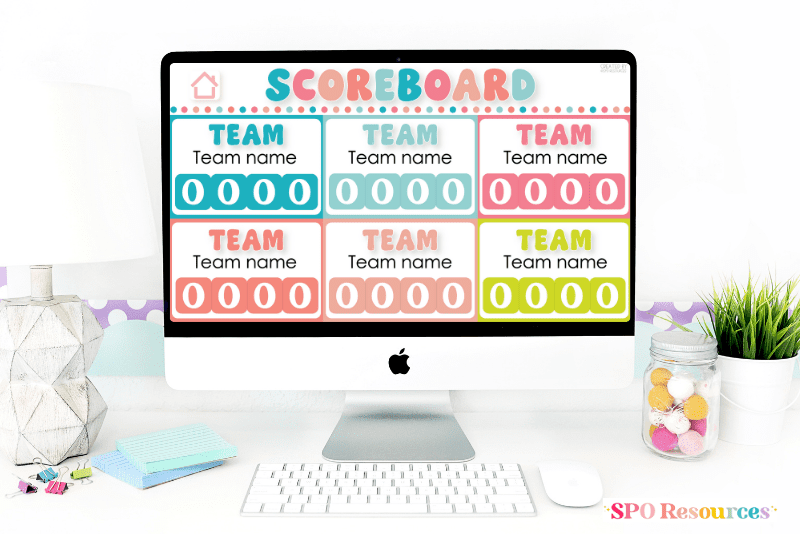
Split your class into 4–6 teams. I like to mix up ability levels in each group, then let them pick fun team names to get the energy going. If you’re using the PowerPoint version, add their names to the built-in scoreboard before starting. I like to display the game on my projector and run everything from my computer — no interactive board needed!
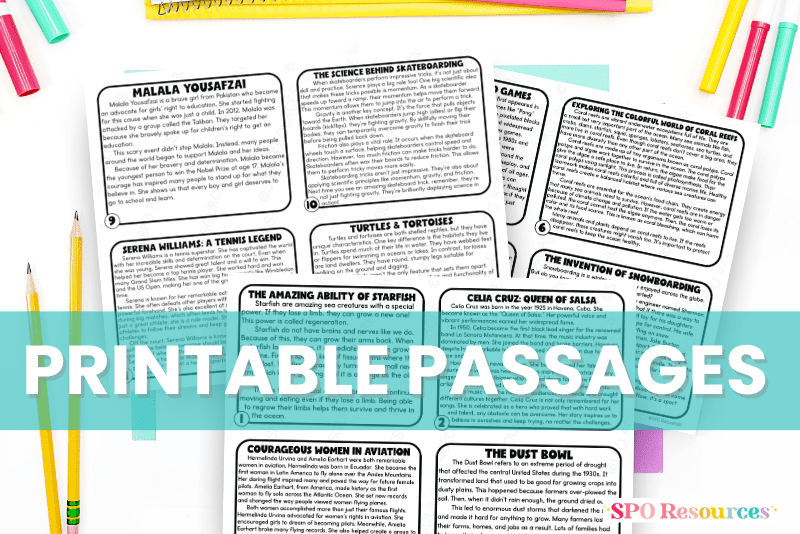
This is key! Each question links to a numbered passage, and every student needs a copy. I print one full packet per student, so they can easily flip to the right story and follow along during discussions.
Teacher tip: Don’t read every passage out loud. Let students read in their teams — it gives them practice, saves your voice, and keeps them engaged.
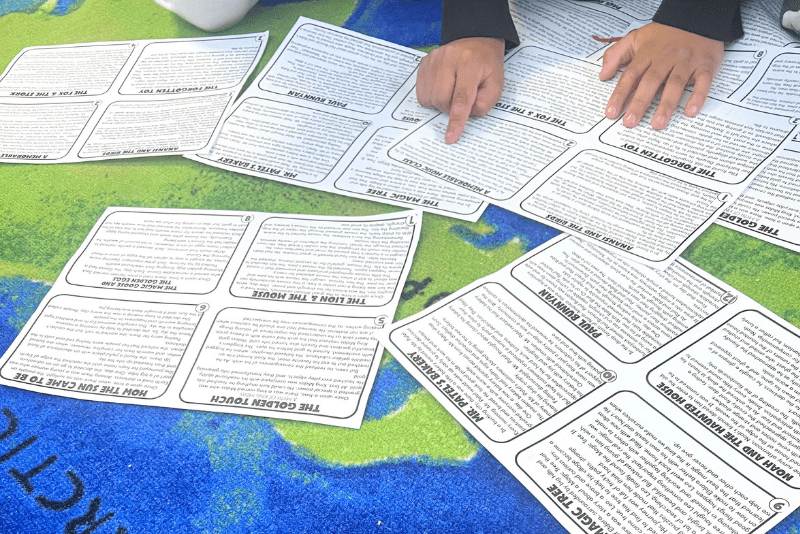
There are lots of ways to have teams read the passages, depending on your setup, timing, and students’ needs. Here are a few of my go-to strategies that have worked well in my classroom — mix and match as needed!
Teacher tip: I like to switch it up depending on the length of the passage or how much energy the class has. Try a few of these and see what works best with your students.
I always remind students to read the passage even when it’s not their turn — because if they get the chance to steal, they’ll only have 10 seconds to answer.
What’s a steal? If a team answers incorrectly, the next team can “steal” the question and earn the points. That’s why everyone needs to be reading and ready — even when it’s not their turn.
This keeps the entire class tuned in. They’re reading along, thinking through each question, and ready to jump in when another team misses.
This one tweak turned my class from half-listening to fully focused. Everyone stayed locked in from start to finish.
Bonus tip: If a team steals and gets it right, I still let the original team try the bonus question. It keeps the game fun and gives everyone a fair shot at earning points.
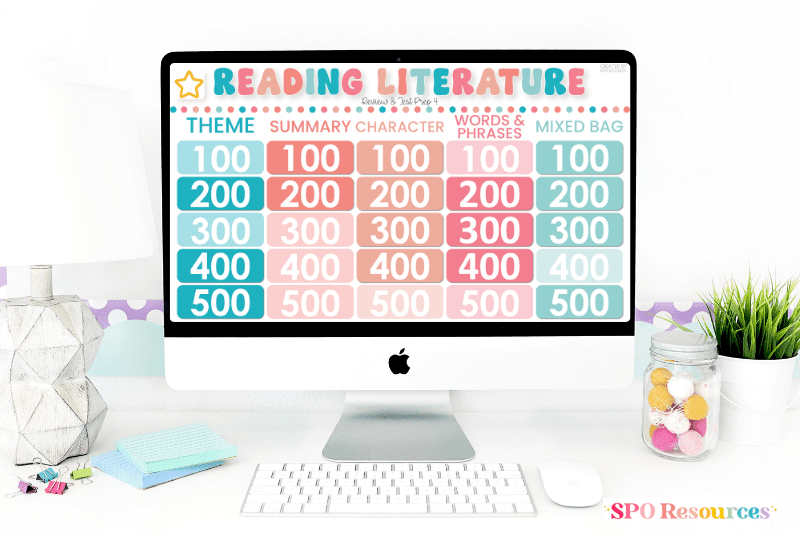
Each team takes turns choosing a category and point value.
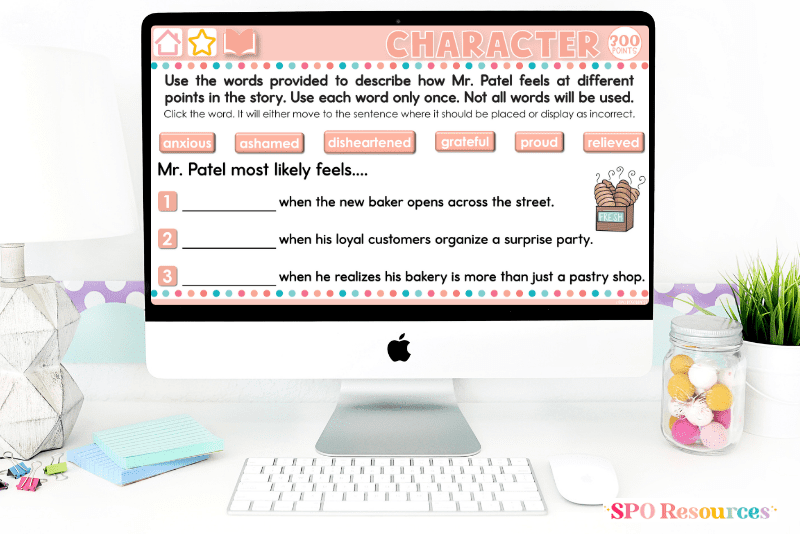
When a question slide opens, they’ll see the corresponding passage (if the question is text-based) and work together to determine the answer.
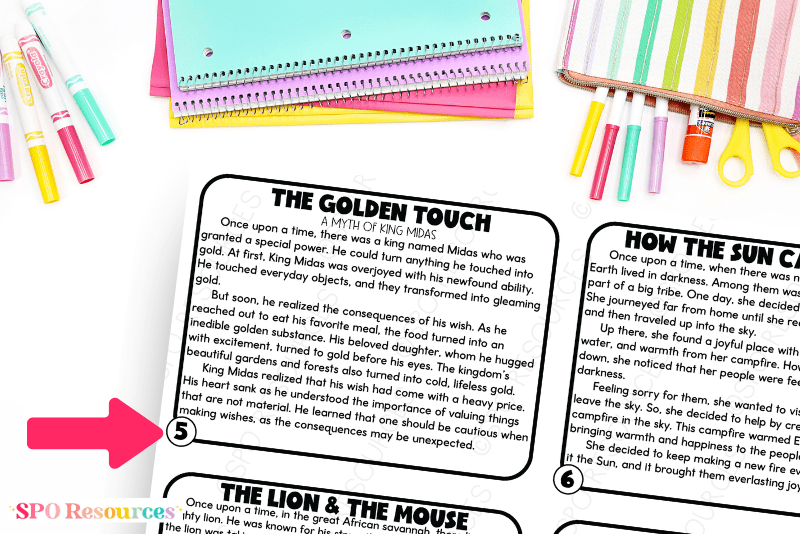
Each passage is labeled with a numbered circle that matches the printable passage packet. This makes it easy for teams to flip to the right passage and follow along.
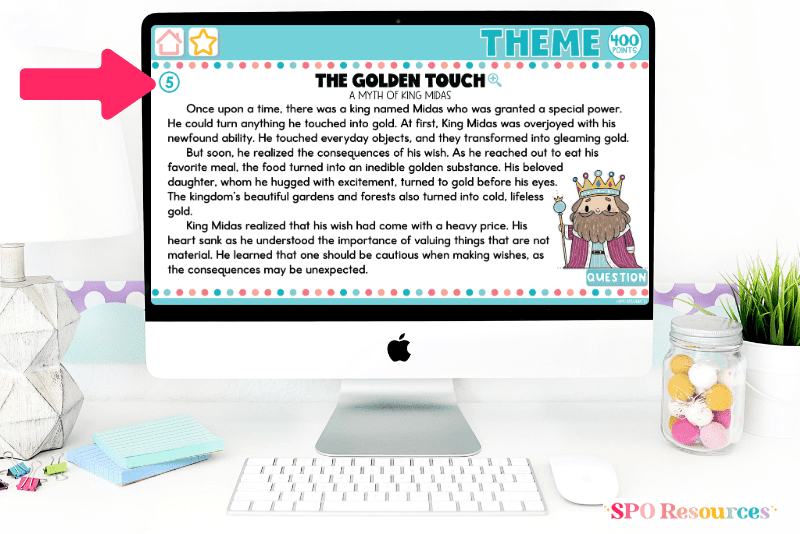
I love using the return-to-passage feature during class discussions. It’s a great way to model how to find evidence and explain why an answer makes sense — or doesn’t.
Once they’ve read and discussed:
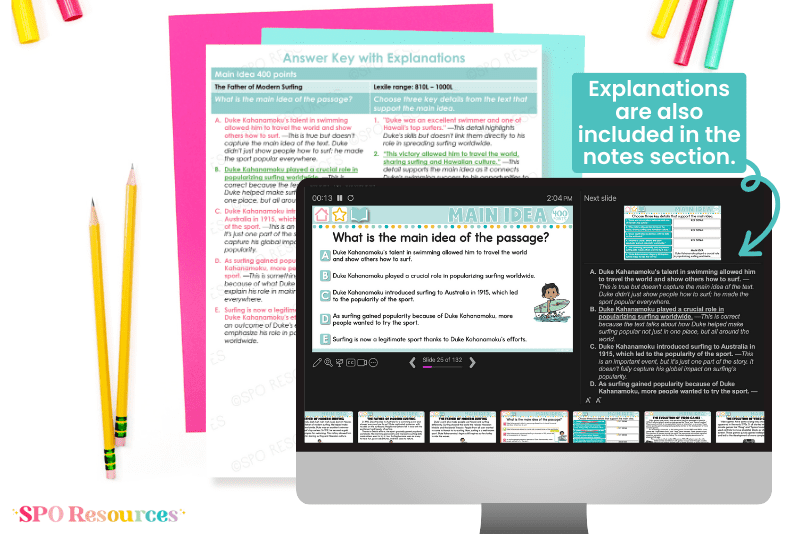
Teacher tip: If you’re using Presenter View, you’ll see answer explanations in the notes section for each question. It’s a great tool for guiding students through mistakes and clearing up misunderstandings. Prefer paper? You can also print the Answer Key with Explanations to have handy while you play.
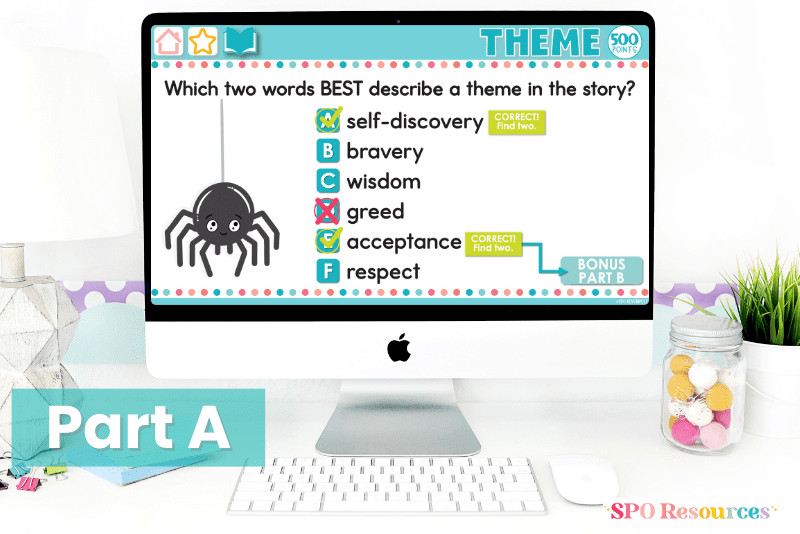
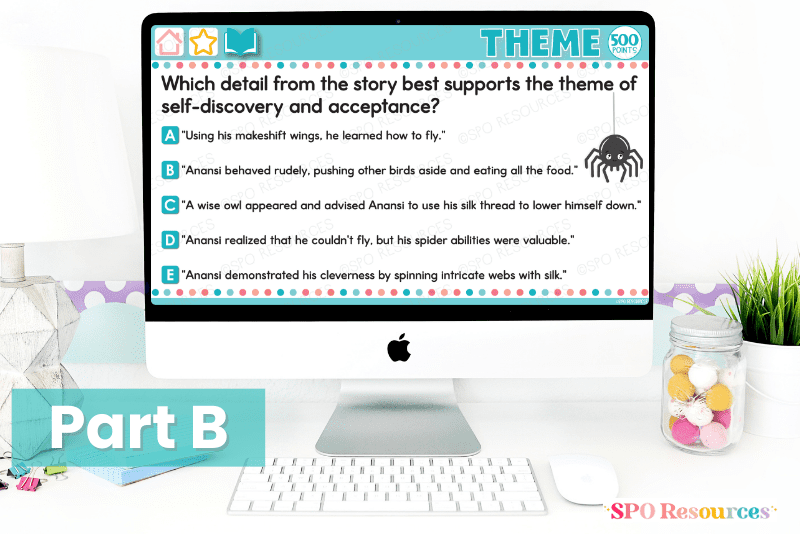
Some questions in this ELA test prep game include a Part B bonus question, which appears after students get Part A correct. Here’s how I usually handle it in my classroom:
After each question, move on to the next team — even if the previous team got it right. This keeps the pace fair and makes sure every group gets a turn to play.
PowerPoint’s faded boxes help you track which questions have already been used.
Most passages are tied to two different questions. If it’s been a while since teams read that passage, I’ll let them take a minute to reread before answering. Trust your teacher gut here — you’ll know what your class needs.
This game usually takes 2–3 class sessions to complete. If you need to stop partway through, just keep in mind:
I like to write team scores on the whiteboard or take a quick photo of the screen before exiting — super quick and saves a ton of time later!
"LOVE this. My students and I played this the day it was downloaded. It was used as a review for our state testing."
-Laura C. 3rd Grade
"Very helpful to prepare for state testing! Super fun, and easy with printable passages, answer keys, and explanations! Loved it!"
-Paige P. 4th Grade
"My students loved this. They were engaged and able to review ELA skills. The reading text was interesting and my kids were totally engrossed."
-Kimberly H. 4th Grade

How long does this ELA test prep game take?
The full game typically takes 2–3 class sessions to complete. You can easily split it across days — just jot down team scores and which questions have been answered before closing out of PowerPoint.
Does this work with Google Slides?
Yes! The game is available in both PowerPoint and Google Slides formats. The Google Slides version includes a printable scoreboard to track team points.
What grade levels is this designed for?
This ELA test prep game is designed specifically for 3rd and 4th grade, with grade-level texts and standards-aligned questions for each.
Can I use this for small groups or intervention, not just whole class?
Absolutely. While it works great as a whole-class game, you can easily adapt it for small group review by reducing team sizes or playing in shorter rounds.
Where can I find the free ELA Mini Game?
Grab the free sampler designed for 3rd and 4th grade right here → Free ELA Mini Game
This ELA test prep game has quickly become one of my favorite review activities. It gets students reading real texts, sharing their thinking, justifying their answers — and best of all, having fun while they do it.
If ELA test prep has felt like a drag lately, this might be the shift your classroom needs. And if you give it a try, I’d love to hear how it goes. 💛
If you’re looking for the same engaging review format for math, I’ve got you covered — check out my post on math test prep games for upper elementary!

I’m a teacher, creator, designer, and lifelong learner passionate about developing engaging educational resources that save you time, lighten your workload, and inspire your students to think and learn in new ways.
Get classroom ideas, helpful resources, and exclusive freebies sent straight to your inbox.
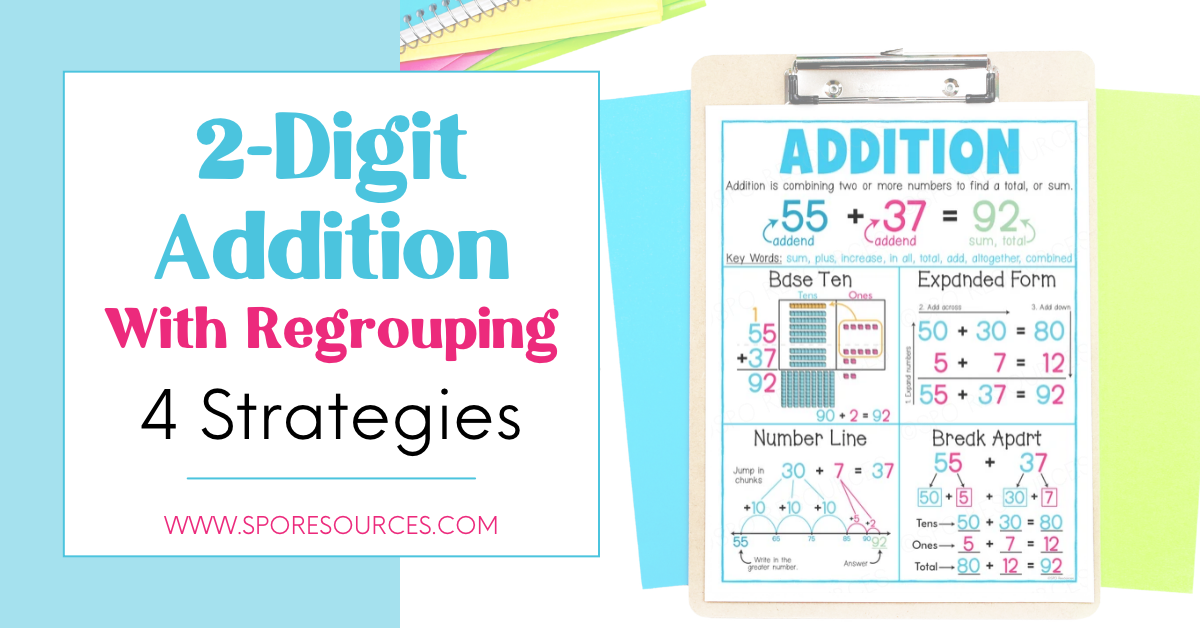
Pingback: 2-Digit Addition With Regrouping Using Base Ten Blocks